Neck Label Templates: Crafting Your Brand's Signature Tag
That small piece of fabric tucked inside your garment—the neck label—is one of the most intimate points of contact between your brand and your customer. It’s the first thing they feel when they slip on a new shirt, the detail they glance at for care instructions, and a silent ambassador for your brand's quality. A generic, poorly designed tag can cheapen a product, while a thoughtfully crafted one elevates the entire experience. This is where a dedicated Neck Label Templates Clothing Tag design asset becomes invaluable. It’s not just a template; it’s a foundational element for building a cohesive and professional brand identity from the inside out.
The Anatomy of an Effective Clothing Tag
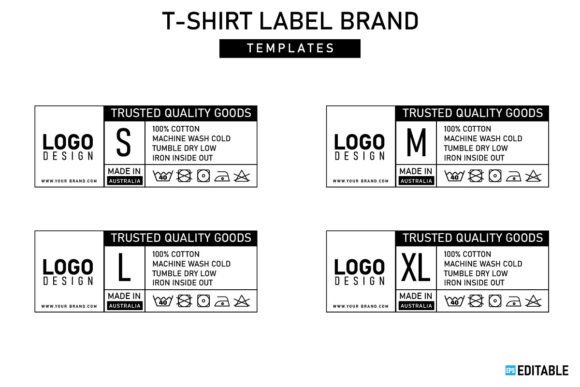
A great neck label does more than just display a logo. It communicates care, provides essential information, and reinforces brand personality. The visual characteristics of a well-designed template blend functionality with aesthetic appeal. Think about the balance: a clear hierarchy where your brand name is prominent, yet care instructions and fabric content are easily legible. The "personality" of the tag should mirror your brand—is it minimalist and modern, or ornate and vintage? The style might leverage clean sans serif font pairings for a contemporary look, or a elegant serif font for a classic, luxury feel. Some brands incorporate a subtle script font or handwritten font for a personal, artisanal touch. The overall appeal lies in this cohesion; a template that offers a polished starting point ensures you don't start from a blank canvas, allowing you to focus on customization rather than foundational layout.
Where This Design Asset Truly Shines
The utility of a versatile Neck Label Templates Clothing Tag extends far beyond a single garment line. For the small business owner launching their first collection, it provides a professional standard without the cost of a custom designer for every label variant. Entrepreneurs and marketers can use it to create consistent branding across merchandise, uniforms, or promotional items. Crafters and hobbyists sewing homemade goods can add a polished, commercial-grade finish to their creations, making them feel more like retail products. Designers and publishers working on editorial projects about fashion or branding can use these templates as illustrative assets. Even content creators and bloggers can mock up product photos for social media graphics or website features with realistic, branded details. This asset fits seamlessly into packaging design mockups, web design showcases for e-commerce sites, and logo design presentations where brand applications are key.
Making It Your Own: Practical Customization
The true power of a vector-based template lies in its editability. You're not locked into a preset design. Using software like Adobe Illustrator or Affinity Designer, you can transform every element. This is where you apply your brand's specific modern typography. Swap out the placeholder typeface for your chosen premium font. Adjust kerning and leading to perfect readability at a small scale. Recolor elements to match your exact brand palette without any loss of quality—critical for maintaining consistency across digital proofs and final printed tags. You can add or remove design elements, perhaps incorporating a small icon or adjusting the layout for different garment types (a care label for a t-shirt might differ from one for a jacket). This process isn't just technical; it's strategic. It allows you to test font pairing directly on the template: does your primary display font work with a simpler sans-serif for the smaller text? Does the overall composition guide the eye correctly? This hands-on evaluation ensures the final product supports visual hierarchy, enhances readability, and solidifies brand perception as professional and detail-oriented.
Integrating Tags into Your Brand Ecosystem
Think of your neck label as a microcosm of your brand identity. The choices you make here should echo across all your design assets. The font you select for the tag might be the same one used in your website headers or social media graphics, creating a subtle but powerful thread of recognition. Consistency in these details builds trust and professionalism. A customer who notices the care put into the label is more likely to believe in the care put into the garment itself. This attention to detail influences audience engagement; it turns a simple purchase into a branded experience. When evaluating a template, consider its flexibility. Does it offer enough structure to guide you but enough freedom to adapt? Can it scale from a tiny tag to a larger hang tag design? Reviewing the included file formats—like the provided EPS vector sources—is crucial for this workflow. Ensure the licensing aligns with your intended use, whether for personal projects or commercial sales. Ultimately, a Neck Label Templates Clothing Tag is more than a file; it's a tool for storytelling, ensuring that even the smallest detail speaks your brand's language with clarity and style.